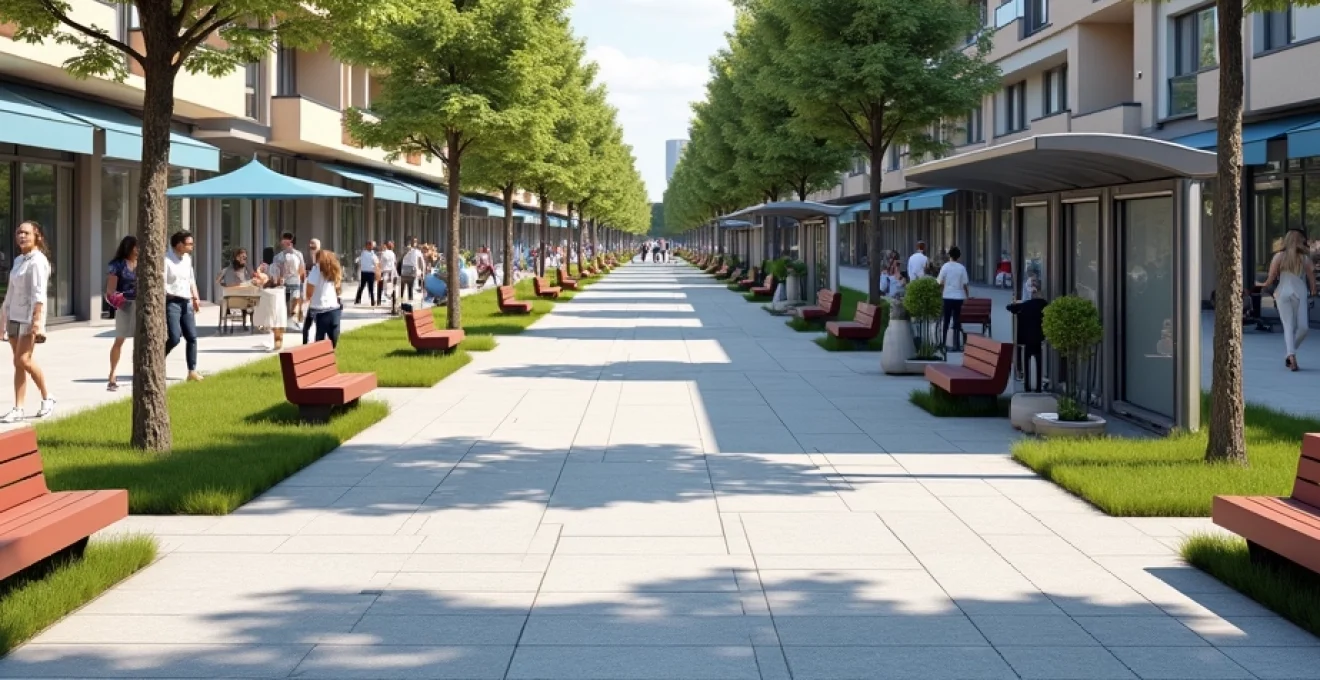
Urban landscapes are constantly evolving, and the role of street furniture in shaping these environments cannot be overstated. From benches and bollards to lighting fixtures and waste receptacles, these elements play a crucial role in creating functional, aesthetically pleasing, and vibrant public spaces. A street furniture specialist brings expertise in design, materials, and urban planning to ensure that these essential components seamlessly integrate into the fabric of our cities and towns.
Urban design principles for effective street furniture integration
Integrating street furniture into urban environments requires a deep understanding of design principles and spatial planning. A street furniture specialist must consider factors such as pedestrian flow, accessibility, and the overall aesthetic of the surrounding architecture. By carefully selecting and positioning each element, they can create cohesive streetscapes that enhance the user experience and contribute to the city’s identity.
One of the key principles in effective street furniture integration is the concept of placemaking. This approach focuses on creating public spaces that promote people’s health, happiness, and well-being. Street furniture plays a vital role in this process by providing comfortable seating areas, defining spaces for social interaction, and contributing to the overall ambiance of a location.
Another important consideration is the principle of universal design. This ensures that street furniture is accessible and usable by people of all ages and abilities. For example, benches should be designed with appropriate heights and support features to accommodate elderly users or those with mobility challenges.
Materials and durability in street furniture manufacturing
The choice of materials in street furniture manufacturing is crucial for ensuring longevity, sustainability, and aesthetic appeal. A street furniture specialist must be well-versed in the properties and applications of various materials to select the most appropriate options for each project. Let’s explore some of the key materials used in modern street furniture design:
High-performance concrete: UHPC applications in benches and planters
Ultra-High Performance Concrete (UHPC) has revolutionized the world of street furniture design. This advanced material offers exceptional strength, durability, and versatility, making it ideal for benches, planters, and other outdoor elements. UHPC allows for sleek, minimalist designs that can withstand harsh weather conditions and heavy use in public spaces.
One of the primary advantages of UHPC is its ability to be molded into complex shapes while maintaining structural integrity. This enables street furniture specialists to create unique, eye-catching designs that serve both functional and aesthetic purposes. Additionally, UHPC’s resistance to staining and graffiti makes it an excellent choice for high-traffic urban areas.
Weathering steel: corten’s role in modern urban aesthetics
Weathering steel, commonly known by the brand name Corten, has gained popularity in urban design for its distinctive appearance and low maintenance requirements. This material develops a stable rust-like appearance over time, creating a warm, organic aesthetic that complements both modern and traditional architecture.
Street furniture specialists often choose Corten for its durability and unique visual appeal. The material’s self-protecting patina not only adds character to urban spaces but also eliminates the need for painting or surface treatments. Corten is frequently used in bollards, planters, and sculptural elements, adding a touch of industrial chic to cityscapes.
Recycled plastics: sustainability meets functionality in waste receptacles
As sustainability becomes increasingly important in urban design, recycled plastics have emerged as a valuable material for street furniture, particularly in waste receptacles. These eco-friendly options not only divert plastic from landfills but also offer durability and weather resistance comparable to traditional materials.
A street furniture specialist can leverage recycled plastic products to create visually appealing waste receptacles that align with a city’s sustainability goals. These bins often feature vibrant colors and modern designs, encouraging proper waste disposal while enhancing the overall aesthetic of public spaces.
Powder-coated aluminum: lightweight solutions for bus shelters
Powder-coated aluminum has become a popular choice for bus shelters and other lightweight street furniture applications. This material offers an excellent balance of strength, corrosion resistance, and design flexibility. The powder coating process provides a durable, attractive finish that can withstand the rigors of outdoor use.
Street furniture specialists appreciate aluminum’s versatility and ease of maintenance. Its lightweight nature simplifies installation and reduces transportation costs, making it an economical choice for large-scale urban projects. The specialist https://www.procity.eu/uk/ offers a wide range of powder-coated aluminum street furniture solutions, showcasing the material’s adaptability to various design styles and functional requirements.
Ergonomics and accessibility in public seating design
Designing comfortable and accessible public seating is a critical aspect of a street furniture specialist’s role. Ergonomics plays a vital part in ensuring that seating solutions cater to a diverse range of users and promote prolonged use of public spaces. Let’s explore some key considerations in ergonomic seating design:
Universal design: implementing ADA standards in park benches
Adhering to ADA (Americans with Disabilities Act) standards is essential when designing park benches and other public seating. These guidelines ensure that seating is accessible to individuals with disabilities, promoting inclusivity in public spaces. Key elements include providing adequate space for wheelchair users, incorporating armrests for support, and ensuring appropriate seat heights.
A street furniture specialist must balance these accessibility requirements with aesthetic considerations, creating designs that are both functional and visually appealing. By integrating universal design principles, they can develop seating solutions that cater to the needs of all users without compromising on style or comfort.
Anthropometric considerations for multi-generational seating
Designing seating for public spaces requires a thorough understanding of anthropometrics – the study of human body measurements and proportions. A street furniture specialist must consider the diverse physical characteristics of potential users, from children to the elderly, to create seating that accommodates a wide range of body types and sizes.
Key anthropometric factors in seating design include:
- Seat height and depth
- Backrest angle and lumbar support
- Armrest height and width
- Overall dimensions to accommodate various body sizes
By carefully considering these factors, street furniture specialists can create seating solutions that provide comfort and support for users of all ages and physical abilities.
Smart seating: IoT integration for usage data collection
The integration of Internet of Things (IoT) technology in public seating is revolutionizing the way cities manage and optimize their street furniture. Smart seating solutions equipped with sensors can collect valuable data on usage patterns, occupancy rates, and even environmental conditions.
This data allows city planners and street furniture specialists to make informed decisions about seating placement, maintenance schedules, and future design improvements. For example, sensors can detect when a bench is occupied, providing real-time information on seating availability or alerting maintenance crews when cleaning is required.
Smart seating technology represents a significant leap forward in urban furniture design, enabling cities to create more responsive and efficient public spaces.
Lighting solutions: enhancing safety and ambiance in urban spaces
Effective lighting design is crucial for creating safe, inviting, and visually appealing urban environments. A street furniture specialist must be well-versed in the latest lighting technologies and design principles to develop solutions that enhance both the functionality and aesthetics of public spaces.
LED technology: energy-efficient illumination for streetscapes
LED (Light Emitting Diode) technology has become the go-to choice for street lighting due to its energy efficiency, longevity, and versatility. Street furniture specialists can leverage LED lighting to create dynamic, customizable illumination solutions that adapt to different times of day and seasons.
Some advantages of LED lighting in urban design include:
- Reduced energy consumption and lower operating costs
- Longer lifespan compared to traditional lighting sources
- Improved color rendering for enhanced visibility and safety
- Directional light output for reduced light pollution
- Compatibility with smart control systems for adaptive lighting
Solar-powered lighting: off-grid solutions for remote installations
Solar-powered lighting solutions offer an eco-friendly and cost-effective option for illuminating public spaces, particularly in remote or off-grid locations. Street furniture specialists can integrate solar panels and battery storage systems into various elements, such as benches, bollards, and signage, to provide reliable lighting without the need for electrical infrastructure.
These self-sufficient lighting solutions not only reduce energy costs but also contribute to a city’s sustainability goals. Solar-powered street furniture can be especially valuable in parks, recreational areas, and other locations where traditional power sources may be limited or unavailable.
Adaptive lighting systems: responsive illumination for circadian rhythms
Adaptive lighting systems represent the cutting edge of urban illumination design. These smart solutions adjust light intensity and color temperature based on factors such as time of day, weather conditions, and pedestrian activity. By mimicking natural light patterns, adaptive lighting can support human circadian rhythms and create more comfortable urban environments.
A street furniture specialist can incorporate adaptive lighting into various elements, from streetlights to illuminated seating, creating dynamic nightscapes that enhance the user experience while minimizing light pollution and energy consumption.
Modular street furniture systems for flexible urban planning
Modular street furniture systems offer unparalleled flexibility in urban design, allowing cities to adapt their public spaces to changing needs and events. These versatile solutions enable street furniture specialists to create cohesive, multifunctional environments that can be easily reconfigured or expanded as required.
Key benefits of modular street furniture include:
- Adaptability to various urban contexts and spatial requirements
- Easy installation, relocation, and maintenance
- Cost-effective scalability for growing urban areas
- Consistent design language across different furniture elements
- Simplified inventory management for city planners
By embracing modular design principles, street furniture specialists can create dynamic urban spaces that evolve with the changing needs of communities. This approach not only enhances the functionality of public areas but also contributes to a more sustainable and efficient use of resources in urban development.
Maintenance and lifecycle management of street furniture assets
Effective maintenance and lifecycle management are crucial aspects of street furniture design and implementation. A street furniture specialist must consider long-term durability, ease of maintenance, and end-of-life strategies when selecting materials and designing products for urban environments.
Anti-graffiti coatings: preserving aesthetic integrity in high-traffic areas
Graffiti and vandalism can significantly impact the appearance and longevity of street furniture. Anti-graffiti coatings provide an effective solution for protecting urban assets and maintaining their aesthetic appeal. These specialized coatings create a barrier that prevents paint and other materials from adhering to surfaces, making removal quick and easy.
Street furniture specialists can recommend appropriate anti-graffiti treatments based on the specific materials and environmental conditions of each project. By incorporating these protective measures, cities can reduce maintenance costs and preserve the visual integrity of their public spaces.
Predictive maintenance: IoT sensors for real-time condition monitoring
The integration of IoT sensors in street furniture enables real-time monitoring of asset conditions, allowing for predictive maintenance strategies. These smart systems can detect issues such as structural damage, wear and tear, or vandalism, alerting maintenance crews before problems escalate.
Benefits of predictive maintenance in street furniture management include:
- Reduced downtime and improved asset longevity
- Optimized maintenance schedules and resource allocation
- Enhanced safety through early detection of potential hazards
- Data-driven decision-making for future urban planning
By leveraging IoT technology, street furniture specialists can help cities implement more efficient and cost-effective maintenance programs, ensuring that urban assets remain in optimal condition throughout their lifecycle.
End-of-life strategies: recycling and upcycling urban furniture components
Sustainability considerations extend beyond the initial design and installation of street furniture to include end-of-life strategies. A street furniture specialist should prioritize materials and designs that facilitate recycling or upcycling when assets reach the end of their useful life.
Effective end-of-life strategies for street furniture may include:
- Designing products with easily separable components for recycling
- Using materials with high recycling potential, such as aluminum or certain plastics
- Implementing take-back programs for refurbishment or material recovery
- Exploring upcycling opportunities to repurpose outdated furniture
By considering the entire lifecycle of street furniture, from design to disposal, specialists can contribute to more sustainable urban development practices and support cities in their efforts to reduce waste and conserve resources.
The role of a street furniture specialist extends far beyond aesthetics, encompassing a deep understanding of materials science, urban planning, and sustainability principles to create enduring, functional, and beautiful public spaces.
As urban environments continue to evolve, the expertise of street furniture specialists becomes increasingly valuable in shaping livable, sustainable cities. By leveraging cutting-edge materials, smart technologies, and innovative design approaches, these professionals play a crucial role in creating public spaces that enhance the quality of life for urban residents and visitors alike.